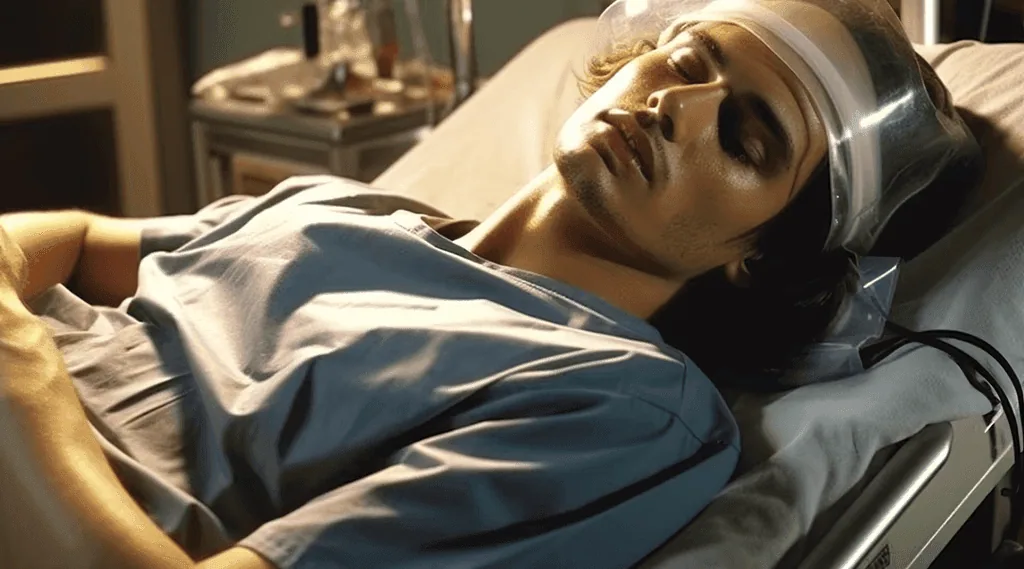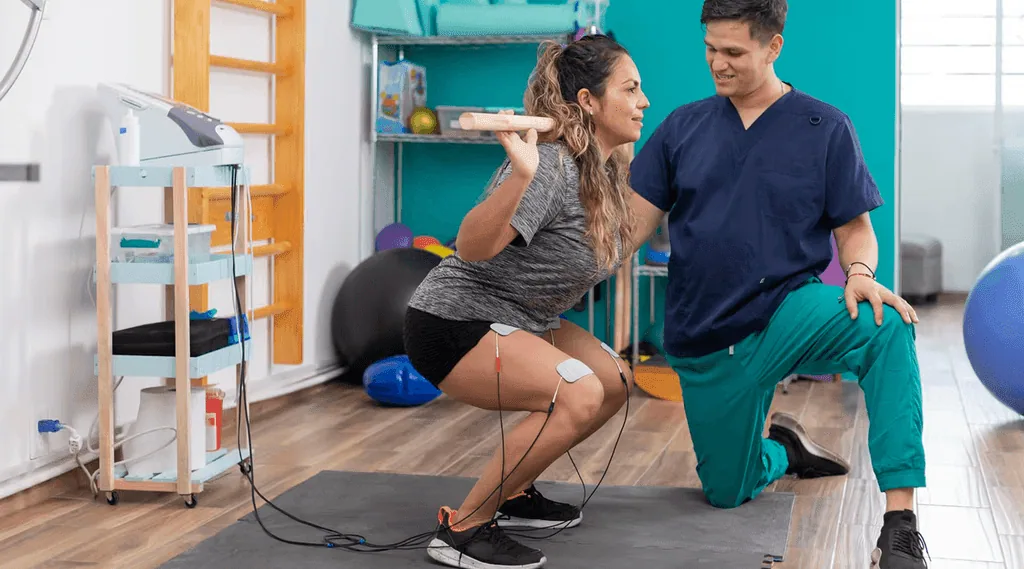
Physiotherapy · movement rehabilitation
Move.Rebuild.Return.
Hands-on physiotherapy and progressive movement planning, shaped around what matters to you and adjusted as your body responds.
Start where you are
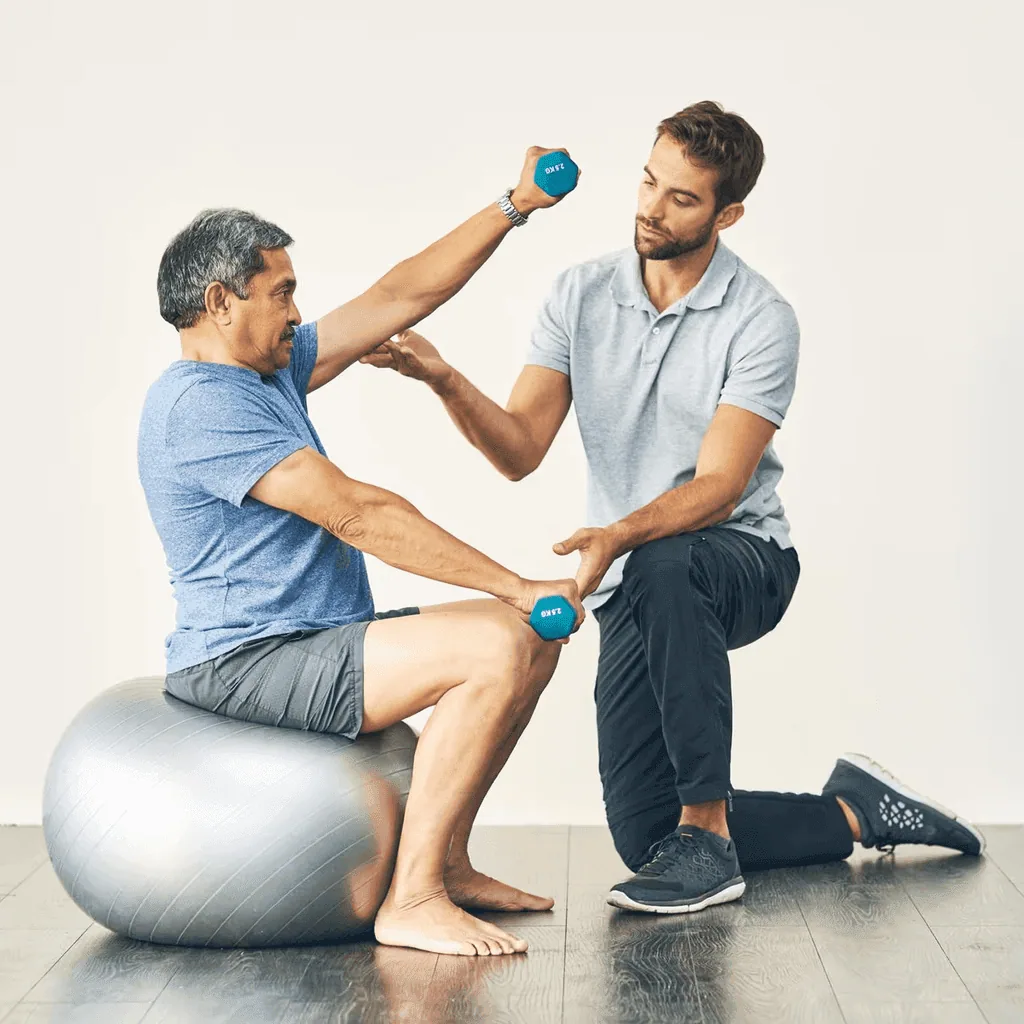
A clear next step, built from a careful first look
Your first visit is a conversation and a movement assessment. Together, you and your clinician decide what to work on, what to watch, and how the plan should change along the way.
Explore the recovery pathYour marked path
Recovery is not a straight line. Your plan should not pretend it is.
Choose a marker to see how assessment, treatment, and return work together. Your clinician uses each visit to decide the next sensible step with you.
Marker 01 · Assess
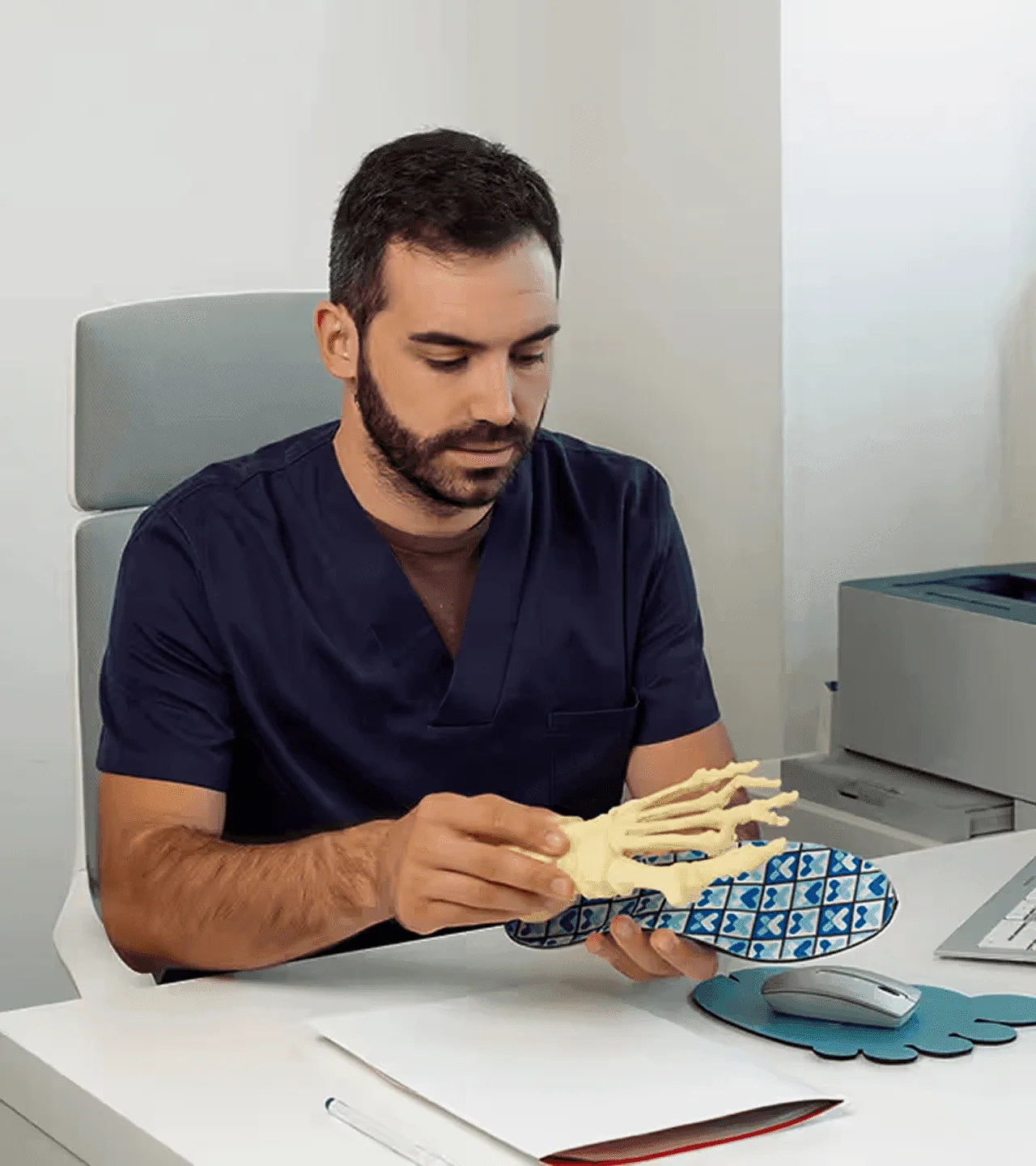
Understand your starting ground
Talk through the change you have noticed, then look at movement, strength, comfort, and the demands of daily life.
The outcome is a working hypothesis and a clear first priority — not a one-size-fits-all label.
What We Treat
Hands-On Care, Tuned to Your Recovery
Chronic Pain Support
Manual therapy and graded movement used thoughtfully to explore comfort, capacity, and confidence in motion.
View Details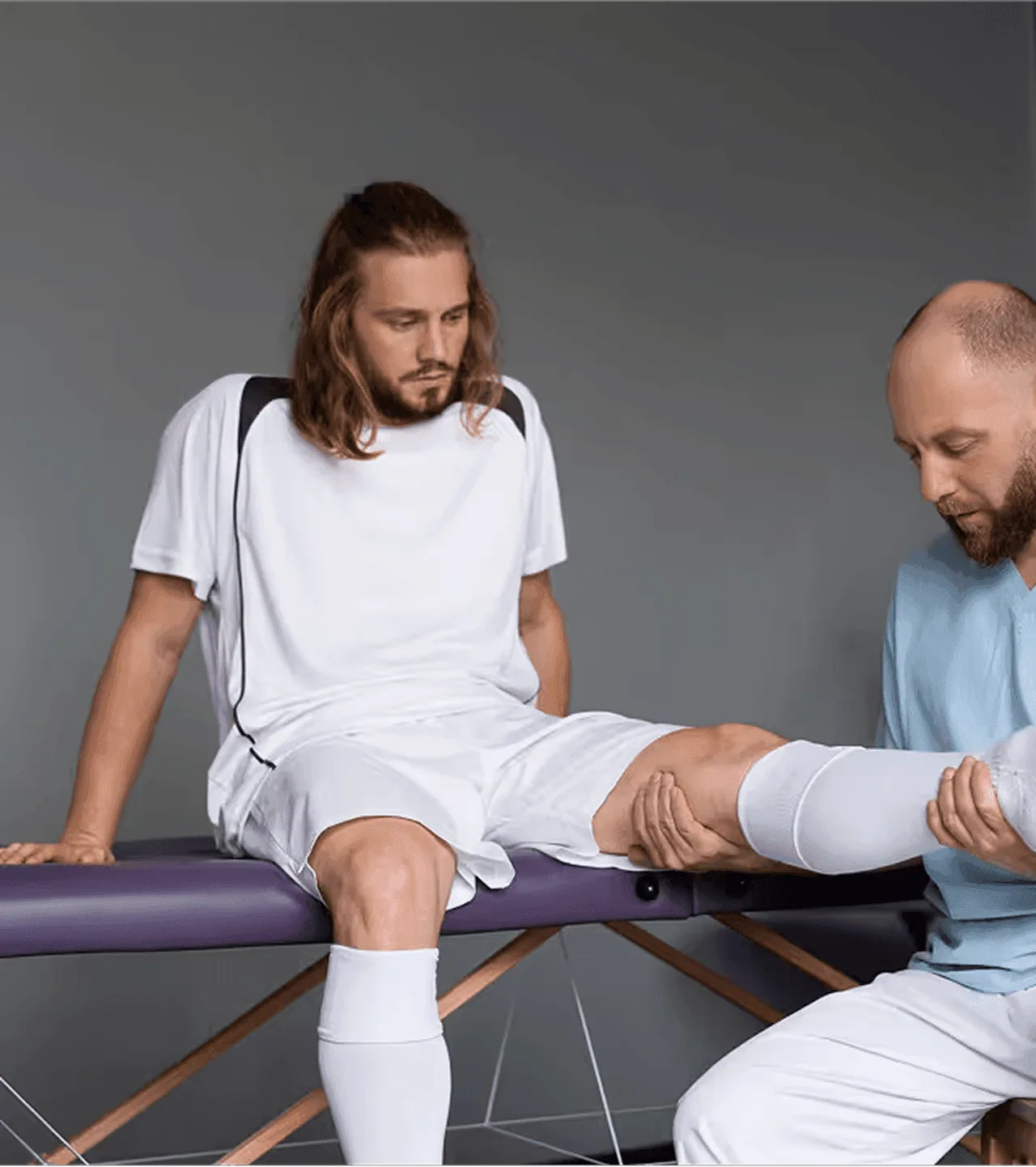
Post-Operative Rehab
A progressive plan coordinated with surgical guidance and adjusted to your healing, range, and strength.
View Details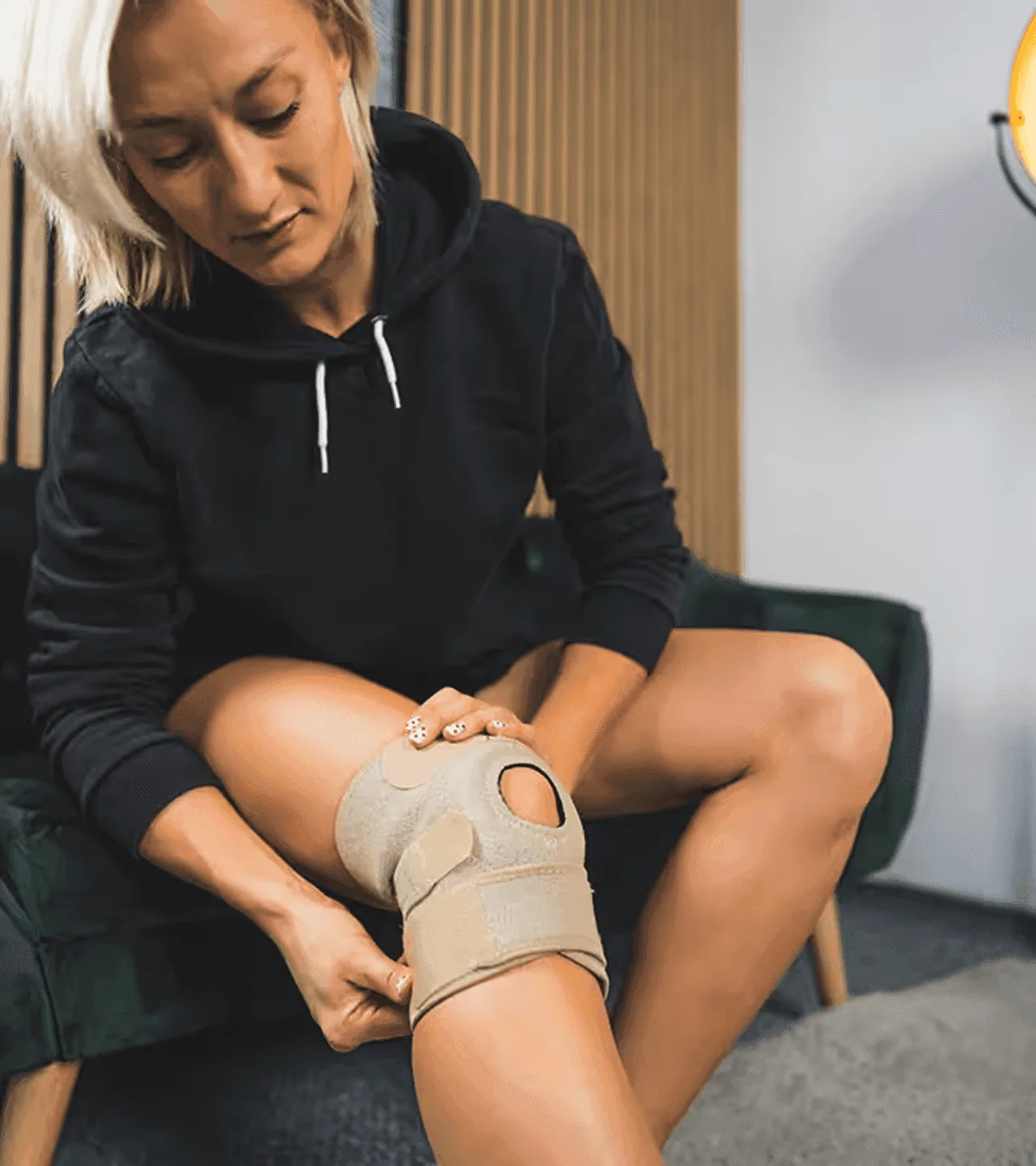
Sports & Injury Recovery
Sport-specific loading and movement practice for people preparing to resume training or competition.
View Details
Active Aging & Balance
Progressive balance, mobility, and strength work shaped around the activities that matter in daily life.
View Details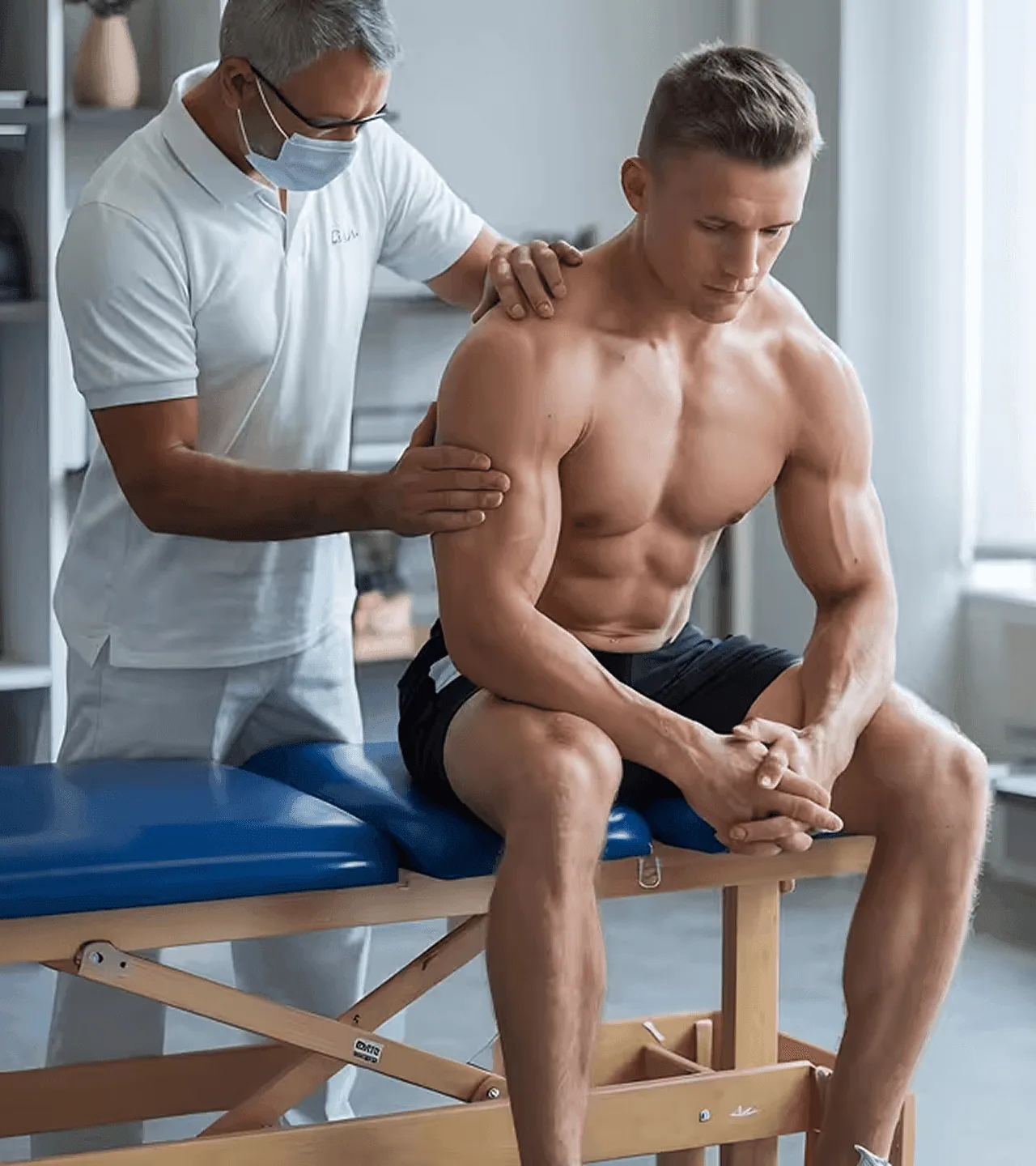
Posture & Alignment
Explore how position, movement habits, breathing, mobility, and strength may contribute to day-to-day comfort.
View DetailsManual & Soft-Tissue Therapy
Hands-on techniques used alongside active care when they support the goals you and your clinician set together.
View Details
What steady, thoughtful care looks like
01Listen before loading

02Adjust the plan as you respond

03Connect each exercise to real life
Care stories
What supported care can feel like

Priya Nathan
Trail Runner
We kept the goal visible, but the plan never rushed me. I understood why each exercise was there and what we would reconsider at the next visit.

Dwight Okafor
Warehouse Lead
The first visit felt like a conversation, not a checklist. We looked at what my workday asks of me and built the next step from there.

Carol Briggs
Retired Teacher
Every check-in gave me room to say what felt different. Some weeks we added more; other weeks we simplified. I always knew the reason.
Movement resource
The Footing
Test
See how a simple movement check-in organizes observations for a conversation with a physiotherapist. It does not assess, diagnose, or replace professional care.
- 01A view of four movement factors
- 02One possible focus to discuss with a clinician
- 03Questions that can help shape a starting plan
- 04A reminder that context and professional judgment matter
Movement scorecard
Focus: Mobility & range — a clinician would interpret this with you.