
01
The production job
What enters the station, what must happen to it, and what defines an acceptable part?
INDUSTRIAL ROBOTICS / INTEGRATED WORKCELLS
Robotic cells, vision, and end-of-arm tooling designed around the production equipment you already trust.
Configure a workcellWebsite by Evolvv Strategies
COMPANY
Vantor builds integrated robotic cells: arm, tooling, vision, guarding, and controls designed as one production system.
Start with the part, the operator, and the real bottleneck. Keep useful equipment in place, then automate only the work the cell can perform reliably.
WORKCELL EXPLORER
Choose an application to see how the tooling, sensing, and line interfaces change with it.
SELECTED APPLICATION / HANDLE
Move repeatable loads between fixed stations while keeping operators outside the guarded motion envelope.
Final cell design follows the parts, process, risk assessment, and site conditions.
See the integration sequencePrecision handling, drilling, and fabrication begin with the drawing, the fixture, and the inspection requirement.
INTEGRATION SEQUENCE
A useful cell begins with the production problem and ends with a safe handoff to the people who run it.
Observe the station, the operator sequence, part variation, and the point where work actually slows.
Define the task, cycle window, payload, reach, interfaces, and safety boundaries before choosing the arm.
Engineer tooling, sensing, guarding, and controls around the parts and equipment already on the floor.
Commission with production parts, prove normal and fault states, and tune the handoff between people and machines.
Document recovery, train operators and maintenance staff, then review the cell as conditions change.
ENGINEERING INPUTS
These questions shape a credible workcell before any performance target is promised.
01
What enters the station, what must happen to it, and what defines an acceptable part?
02
What range of parts, payloads, reaches, cycle times, and environmental conditions must the cell handle?
03
Which machines, controls, conveyors, inspection steps, and operator decisions must connect to the cell?
04
Where can people enter, what can fail, and how should the system stop, recover, and return to production?
FIELD NOTES
Short answers on the decisions that sit around a robotic cell.
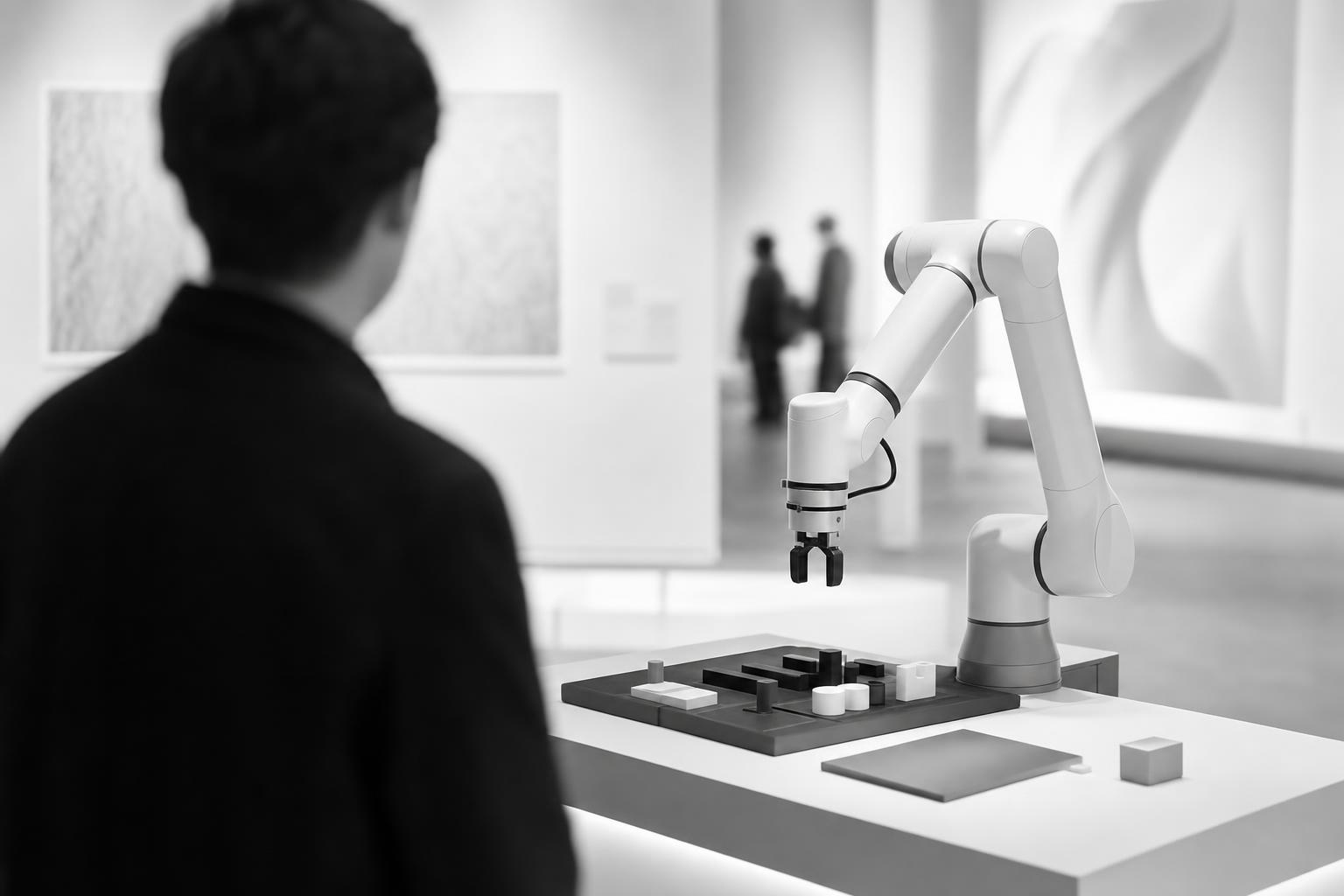 DESIGN NOTEWhere Automation Belongs — and Where It Does NotSHORT READ
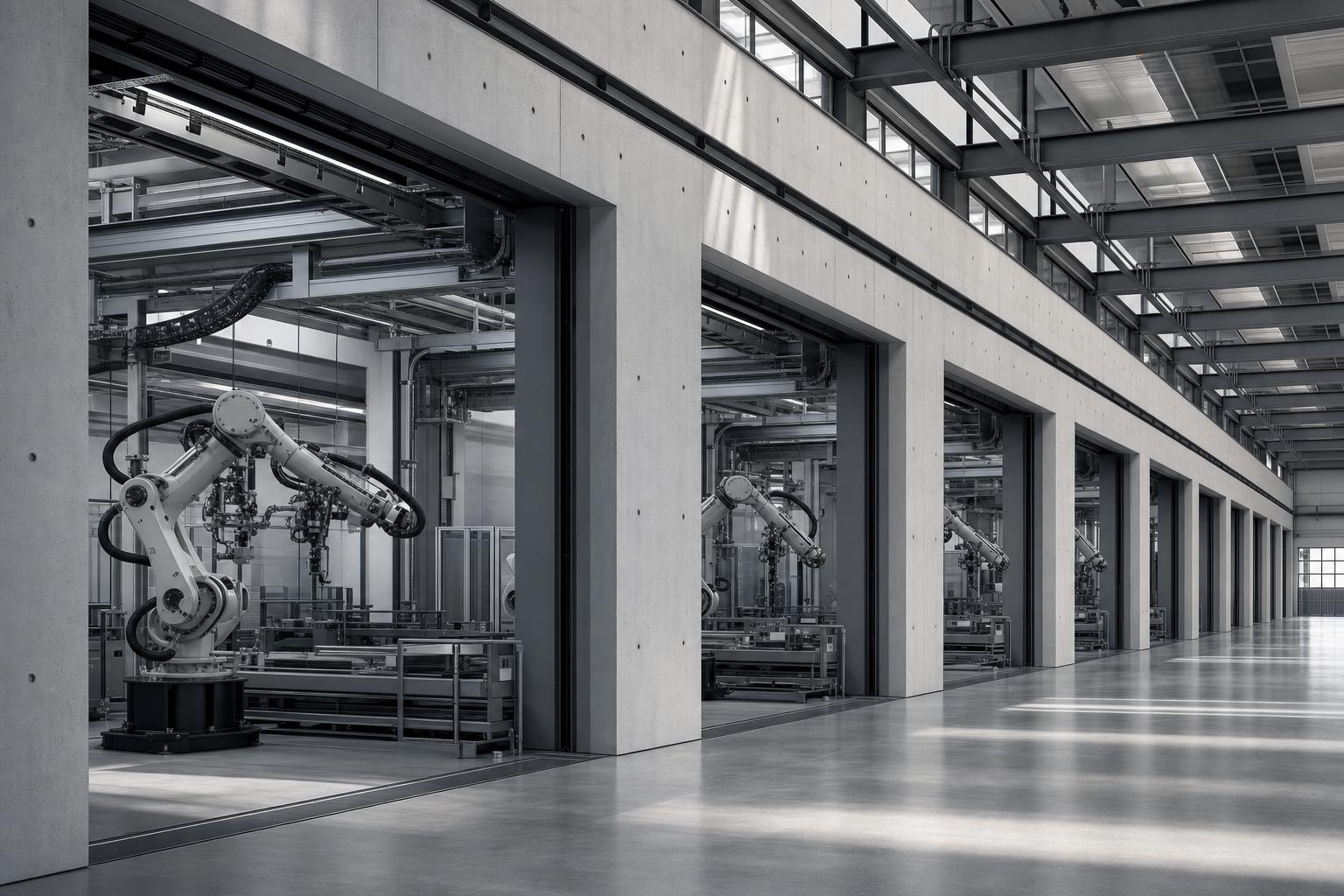 CELL PLANNINGWhat to Measure Before Selecting a RobotSHORT READ
 VISION NOTEDesigning a Repeatable Inspection StationSHORT READ
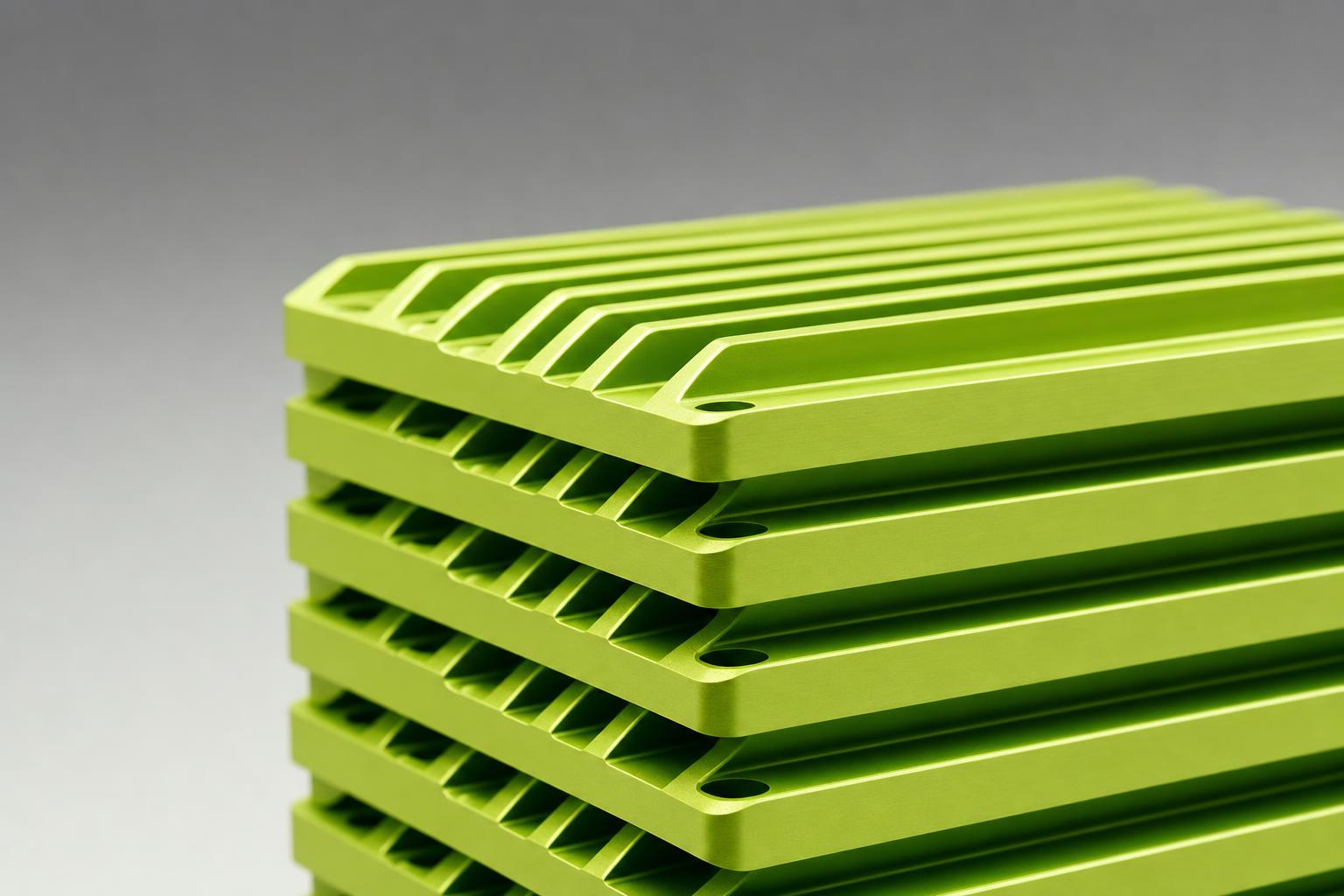 RETROFIT NOTEWhat a Legacy Line Needs From a New CellSHORT READ
A PLAUSIBLE FIRST STEP
A real project would define the task, parts, cycle, safety, and handoff before a robot is selected.
Explore the workcellWebsite by Evolvv Strategies.
Like what you see? Evolvv Strategies can build this website for your business.
This brand and website was built by Evolvv Strategies. All Rights Reserved.
Built by Evolvv Strategies