Build the System Before You Make the Hire
Hiring to escape chaos usually adds a confused person to the chaos. Build the system first — define the outcome, document the process, pick a signal — then hire into a role that already works. Here's how to do it in a week, not a quarter.

Evolvv Strategies
Operator notes

If you're drowning in work, the fix is not to hire someone — not yet. The fix is to build the system first: define the outcome the role produces, document the process step by step, and pick one signal that tells you it's working. Then hire someone into that. A hire made into a documented system ramps in weeks and buys back your time. A hire made into chaos becomes one more thing you manage, with payroll attached.
I learned this the hard way while growing my consulting firm to a team of 32. Every hire that worked stepped into a seat we had already defined. Every hire that struggled was some version of "we're busy, grab an oar" — and those people didn't fail because they weren't good. They failed because the job didn't exist yet.
Why doesn't hiring fix the overwhelm?
Because most first hires aren't a role. They're a pile of tasks the owner doesn't want to do, stapled together. That's not a job description — it's a wish.
Without a defined outcome, a written process, and a way to measure whether it's working, even a great hire is left guessing. And when people guess, they check. Every question routes back to you, because you're the only place the knowledge lives. You wanted to buy back your time; instead you bought a full-time student.
You can't delegate a result you've never defined. Vague roles always route back to the owner.
If you're not even sure a hire is the right move versus automating or outsourcing the work, sort that first — I wrote a decision tree for it in when to hire vs. automate vs. outsource.
What does "building the system first" actually mean?
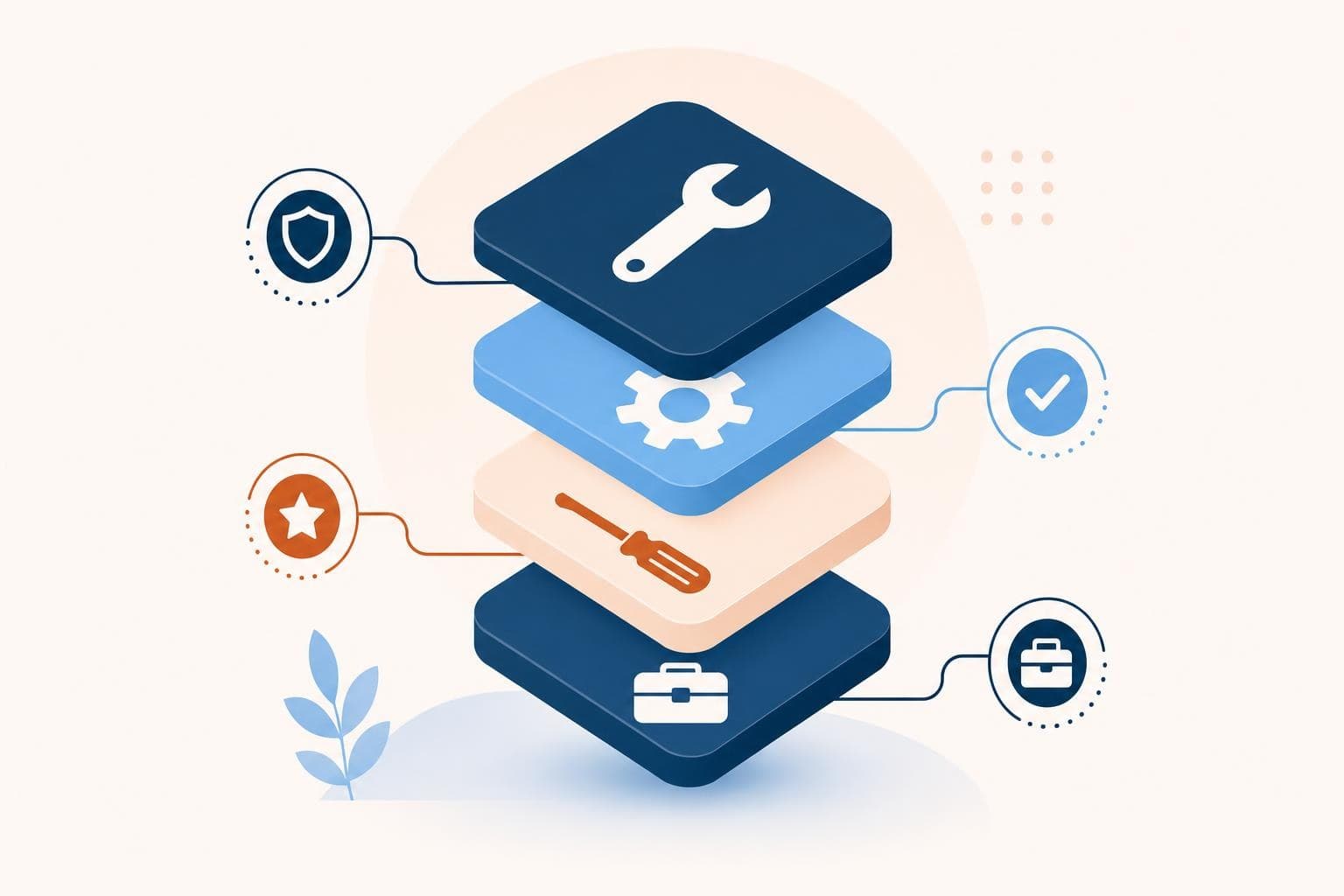
A system is just a role defined in three layers. You can sketch all three on one page:
- Outcome. What does success in this role produce? Name the result, not the activity. "Every inquiry gets a response within one business day" is an outcome. "Handles the inbox" is an activity.
- Process. How does the work get done, step by step? A rough checklist beats nothing — and beats it by a lot. It doesn't need to be pretty. It needs to exist.
- Signal. What number or checkpoint tells you it's working without you watching? Response time, jobs completed, invoices sent on schedule. One signal per role is plenty.
Notice what's not on the list: a personality profile, a five-year growth plan, an org chart. You're not designing a company. You're designing one seat.
How do I document a system without weeks of work?
You don't write a manual. You capture the work as you do it:
- Record yourself doing the task once. A screen recording with you talking through it, or your phone propped up while you do the physical version. Twenty minutes, done.
- Turn the recording into a checklist. Ten to fifteen steps, plain words. AI tools are genuinely good at this part — paste a transcript, ask for a checklist.
- Have someone else run the checklist while you watch. Every place they stop and ask you a question is a missing step. Fix those, and the document is real.
That's the whole method. I go deeper on it in how to document your processes so you can delegate them, but the one-line version is: the checklist doesn't have to be good, it has to be started.
How do I know I'm ready to hire?
You're ready when you can answer yes to four questions:
- Can I name the outcome this role produces in one sentence?
- Is there a written process a stranger could follow for the core tasks?
- Do I know the one signal I'll check weekly to see if it's working?
- Is there enough recurring work to fill the hours I'm paying for?
If any answer is no, you're about to hire someone into a vacuum — and the vacuum wins every time.
Here's what I'd actually do
Give it one week, not one quarter:
- Monday: list the tasks you'd hand off. Circle the ones that repeat weekly. That cluster is the role.
- Tuesday: write the outcome sentence and pick the signal.
- Wednesday–Thursday: record yourself doing the two most frequent tasks; turn the recordings into checklists.
- Friday: run the checklists yourself, following them literally. Fix what's missing.
- Next week: write the job post — which is now easy, because the role actually exists.
It feels slower to build the system first. It isn't. The system is also what makes the hire trainable — a documented role is one you can train new staff into fast instead of narrating your own job for six months. This is the heart of how I work with clients too: build the machine, then add people, so the business runs on systems you own rather than on heroics — more on that philosophy in how I approach growth work.
FAQ
What if I don't have time to document anything?
Then you definitely don't have time to answer a new hire's questions eight times a day for six months, which is the alternative. A recording-plus-checklist takes about an hour per task. It's the cheapest hour in your business.
Should the first hire be full-time?
Usually not. Once the system is documented, you know exactly how many hours the work actually takes — and it's often ten to twenty a week, not forty. Start with a part-timer or contractor running the documented process, and grow the seat as the work grows.
Can't I just hire someone experienced who builds their own systems?
Sometimes — but experienced operators cost more, and even they need you to define the outcome. You can delegate the process-building. You can never delegate deciding what success looks like. That part is the owner's job, permanently.
What if the work is too varied to systemize?
Some of it is — but less than you think. Pull out the 60–70% that repeats and systemize that; keep the judgment calls with you for now. A role that's mostly checklist with some escalation to you still buys back most of your week.
Not sure which system to build first? That's exactly what the free Growth Audit is for — it points at the one holding you back.